
Not every plastic surgery consultation starts with a general concern about aging. Many start with something far more specific: a bump on the bridge of the nose that’s bothered someone since high school, ears that stick out and were the subject of childhood teasing, lips that feel thin relative to the rest of the face, or a facial difference present since birth that a family has been navigating for years. These are precision problems, and they call for surgeons with specific, focused experience in facial reshaping and reconstruction — not just general cosmetic training.
This guide covers the major facial reshaping and reconstructive procedures available, who they’re typically right for, and what distinguishes a cosmetic reshaping goal from a functional, reconstructive one.
Rhinoplasty: Function and Form Together
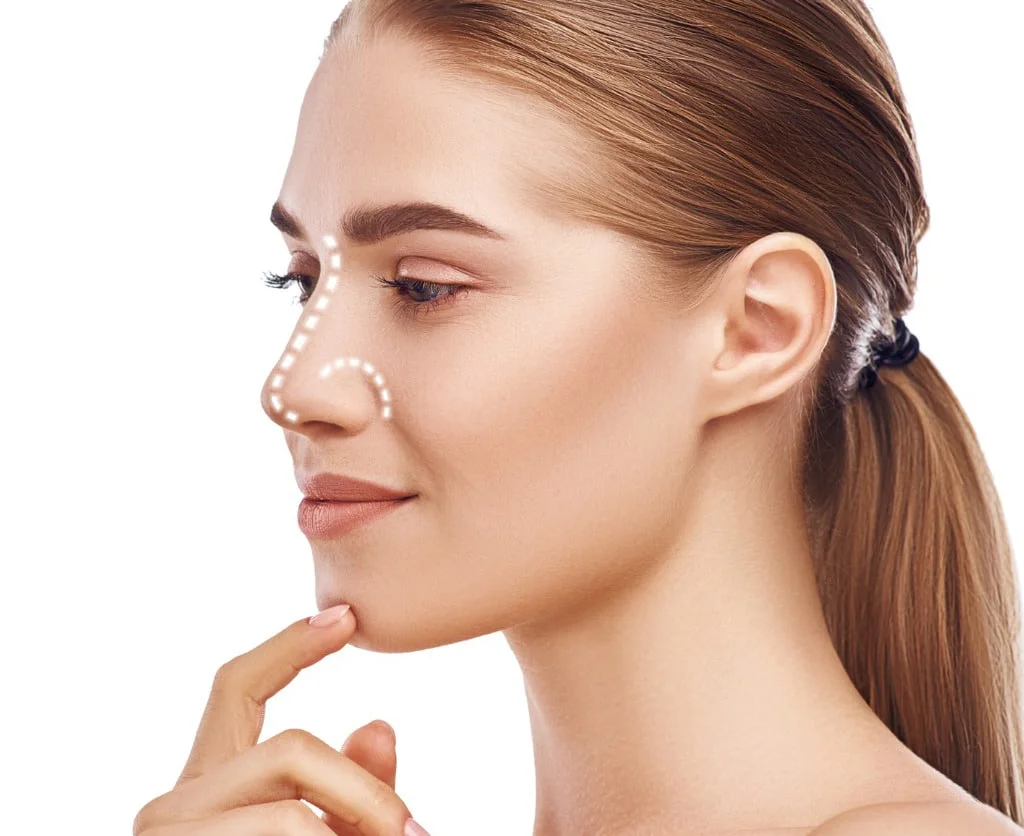
Rhinoplasty in Syracuse, NY is one of the most technically demanding procedures in facial plastic surgery, largely because the nose has to do two jobs at once: it needs to look proportionate to the rest of the face, and it needs to function properly for breathing. A skilled rhinoplasty surgeon evaluates both simultaneously, because changing the external shape of the nose without accounting for the internal airway can create or worsen breathing problems — something patients don’t always realize until after a poorly planned procedure elsewhere.
Common concerns addressed through rhinoplasty include:
- A dorsal hump or bump on the bridge
- A bulbous, wide, or drooping tip
- Nostril asymmetry or width
- Breathing difficulty related to a deviated septum
- Post-traumatic changes from a prior injury
Because noses vary so dramatically in cartilage strength, skin thickness, and existing structure, rhinoplasty results are highly individualized. A technique that produces a refined tip on one patient’s anatomy might not be achievable or appropriate on another’s — which is why extensive, procedure-specific experience matters more here than in almost any other facial surgery.
Nasal Reshaping Surgery: A Closer Look at Structural Refinement
Related to but distinct in emphasis from cosmetic rhinoplasty, nasal reshaping surgery often focuses more heavily on structural correction — addressing issues like a collapsed nasal valve, significant septal deviation, or reconstruction following prior surgery that didn’t achieve the intended result (sometimes called revision rhinoplasty).
Revision cases deserve a special note here: correcting a previous rhinoplasty is considerably more complex than a primary procedure, since scar tissue, altered cartilage, and unpredictable healing patterns from the first surgery all have to be accounted for. Patients considering revision surgery should look specifically for a surgeon experienced in revision cases, not simply general rhinoplasty experience, since the surgical planning process differs substantially.
Otoplasty: Correcting Prominent or Asymmetric Ears
Ear position and shape are set early in development, and for many people, prominent or asymmetric ears become a source of self-consciousness starting in childhood — often the target of teasing that can affect confidence well into adulthood if left unaddressed. Otoplasty reshapes the cartilage of the ear to bring it closer to the head or corrects asymmetry between the two ears.
This is one of the few facial procedures commonly performed on children, typically once ear cartilage has matured enough (usually around age five to seven) to hold its new shape permanently. Addressing prominent ears before a child starts school is a common and well-supported choice among families, though adults pursue the same correction just as frequently, having simply lived with the concern longer before deciding to address it.
Otoplasty results are notably stable over time since ear cartilage, once reshaped and healed, doesn’t tend to relapse to its original position the way skin or soft tissue elsewhere can shift with aging.
Lip Augmentation: Balance Over Volume
Lip goals have shifted considerably in recent years, moving away from maximum volume toward natural proportion and balance with the rest of the face. Lip augmentation can be pursued through injectable fillers for temporary enhancement, or, for patients seeking a longer-term structural change, surgical lip lift or augmentation techniques that adjust the ratio between the upper lip and the visible vermillion (the pink part of the lip).
The most successful lip augmentation results tend to come from surgeons who evaluate the whole lower face — the relationship between the nose, lips, and chin — rather than focusing on lip volume as an isolated feature. Overfilled or disproportionate lips are almost always the result of treating the lips in isolation rather than as part of an integrated facial plan.
Pediatric Reconstructive Surgery: A Different Category Entirely
It’s important to draw a clear distinction between cosmetic reshaping and reconstructive care, and nowhere is that more evident than in pediatric reconstructive surgery. This category addresses congenital conditions and craniofacial differences present from birth — cleft lip and palate, ear malformations, vascular anomalies, and other structural differences that affect both function and appearance.
Pediatric reconstructive care requires an entirely different approach than elective cosmetic surgery: care is coordinated over years as a child grows, often involving a team of specialists beyond the surgeon alone, and success is measured by functional outcomes (feeding, speech, hearing) as much as by appearance. Families navigating a pediatric reconstructive diagnosis should look for a surgeon with specific experience in craniofacial and pediatric cases, given how different the surgical planning and long-term care model is from adult cosmetic procedures.
What Makes Facial Reshaping Surgery Different from Facial Rejuvenation
It’s worth clarifying this distinction, since the two are sometimes lumped together. Facial rejuvenation procedures (like a facelift) address changes caused by aging — sagging, volume loss, wrinkling. Facial reshaping procedures address the underlying structure of a feature itself — its size, shape, or symmetry — independent of age. A 25-year-old and a 65-year-old might both seek rhinoplasty for the same structural reason, while a facelift is almost exclusively relevant to age-related change. Understanding which category your concern falls into helps clarify which procedure — and which surgical approach — is actually appropriate.
Recovery Expectations Across Reshaping Procedures
Recovery varies meaningfully by procedure:
- Rhinoplasty: Splint removal around one week, with the majority of visible swelling resolving within two to three weeks, though subtle refinement continues for up to a year
- Otoplasty: A head bandage for the first few days, followed by a protective headband worn at night for several weeks; most patients return to school or work within a week
- Lip augmentation (surgical): Swelling peaks in the first 48–72 hours and generally resolves substantially within one to two weeks
- Pediatric reconstructive cases: Highly variable and staged over time, with a care plan specific to the condition and the child’s developmental stage
Choosing a Surgeon for Facial Reshaping and Reconstruction
Precision facial work — particularly rhinoplasty and pediatric reconstructive care — has one of the steepest experience curves in plastic surgery. When evaluating a surgeon, it’s reasonable to ask directly:
- How many procedures of this specific type have you performed?
- Can I see before-and-after examples of patients with anatomy similar to mine?
- What’s your approach to revision cases, if my results need refinement later?
- For pediatric cases specifically, what does your long-term care and follow-up plan look like?
A confident, experienced plastic surgeon in Syracuse, NY should be able to answer these questions clearly and specifically, using your own anatomy or your child’s condition as the reference point — not generic reassurance.
Frequently Asked Questions
What’s the difference between rhinoplasty and nasal reshaping surgery?
The terms overlap significantly, but “nasal reshaping” often emphasizes structural and functional correction — like fixing a deviated septum or collapsed nasal valve — while “rhinoplasty” is commonly used for cosmetic refinement of shape. In practice, most procedures address both form and function together.
At what age can a child have otoplasty?
Most surgeons recommend waiting until ear cartilage has sufficiently matured, typically around age five to seven, since the ear has usually reached close to its adult size by then and can hold its corrected shape permanently.
How is revision rhinoplasty different from a first-time procedure?
Revision rhinoplasty involves working with cartilage and tissue that has already been altered and often scarred from a prior surgery, making the anatomy less predictable. It generally requires more advanced technique and surgeon-specific revision experience compared to a primary rhinoplasty.
Is pediatric reconstructive surgery covered differently than cosmetic procedures?
Because pediatric reconstructive surgery addresses functional congenital conditions rather than elective cosmetic goals, insurance coverage considerations often differ significantly from cosmetic surgery. This is typically discussed in detail during the initial evaluation, since coverage depends on the specific diagnosis and treatment plan.
Can lip augmentation be reversed if I don’t like the results?
Injectable filler results are temporary and can often be adjusted or dissolved. Surgical lip augmentation or lip lift procedures are more permanent, which is why a thorough consultation discussing your desired outcome beforehand is especially important for surgical options.