
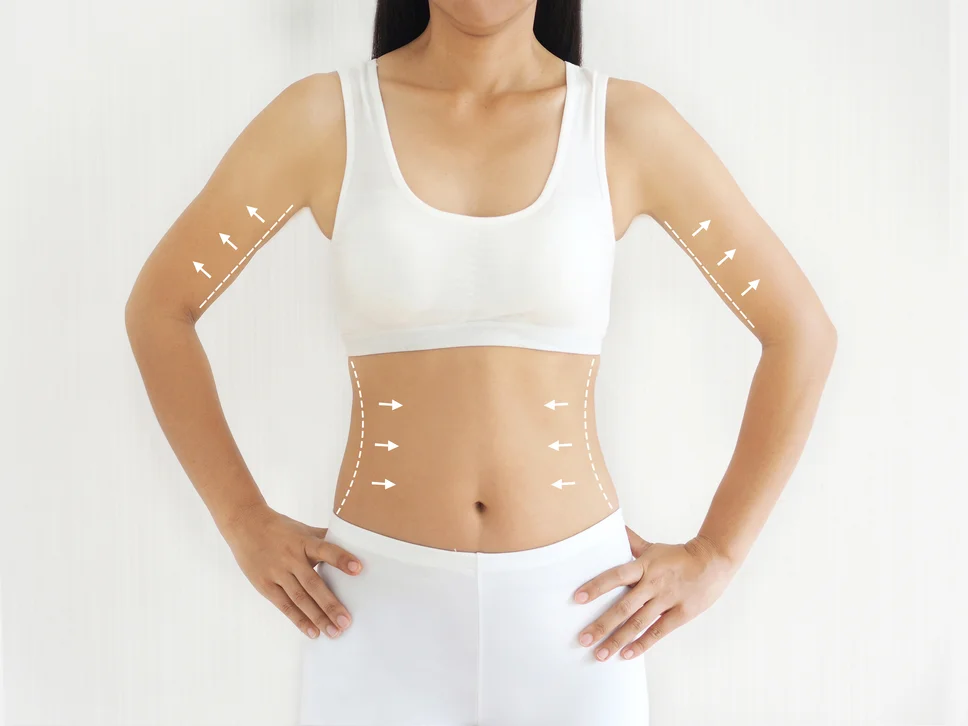
Most people who reach out about body contouring in Syracuse, NY have already done the hard part — they’ve lost weight, stayed consistent with exercise, or gone through pregnancy and come out the other side ready to feel like themselves again. What they’re usually surprised to learn is that the stubborn areas left behind — loose abdominal skin, a persistent fat pocket on the flanks, a chest that doesn’t match the rest of a leaner frame — often aren’t about effort at all. They’re about anatomy: skin that has lost elasticity, fat cells that don’t respond to diet in certain zones, and muscle separation that no amount of core work can close on its own.
This guide breaks down the major body contouring options available today, how they differ, and how surgeons typically combine them to build a complete transformation plan.
Why Diet and Exercise Only Go So Far
It’s worth explaining the biology here, because it reframes the whole conversation. When you lose weight, fat cells shrink — but they don’t disappear, and the number of fat cells in a given area is largely set earlier in life and influenced by genetics. Some areas (the lower abdomen, flanks, and inner thighs are common ones) are simply more resistant to shrinking through diet and cardio, regardless of how disciplined someone is.
Skin is a separate issue entirely. Once skin has been stretched significantly — through pregnancy, substantial weight loss, or simply the passage of time — its elastic fibers don’t fully recoil back to their original state. This is why a person can reach their goal weight and still have loose, hanging skin that no amount of additional weight loss will resolve. Surgical body contouring exists specifically to address these two problems: stubborn fat that won’t respond to lifestyle changes, and skin laxity that needs to be physically removed or tightened.
Tummy Tuck: Rebuilding the Core, Not Just Removing Skin
A tummy tuck is often misunderstood as a purely cosmetic skin-removal procedure, but for many patients — especially those who’ve been through pregnancy — it’s fundamentally a repair procedure. During pregnancy, the abdominal muscles (the rectus abdominis) can separate down the midline, a condition called diastasis recti. This separation doesn’t resolve with crunches or planks because it’s a structural gap, not a strength issue.
A tummy tuck addresses three layers at once:
- Muscle repair, suturing the separated abdominal muscles back into their natural position to restore a flatter, more supported core
- Skin removal, eliminating loose or excess skin, often including the area below the belly button that carries stretch marks
- Contour refinement, sometimes combined with liposuction to smooth the surrounding waistline for a more proportional result
Recovery typically involves one to two weeks of significant downtime, with lighter activity restrictions continuing for four to six weeks. Most patients describe the muscle repair as producing a noticeably flatter, firmer abdominal profile that skin removal alone couldn’t achieve.
Liposuction: Precision Fat Removal for Resistant Areas
While often lumped together with weight loss, liposuction isn’t a weight-loss tool — it’s a body-sculpting tool. It’s most effective for patients who are already close to their goal weight but have specific pockets of fat that haven’t responded to diet and exercise: the flanks, inner and outer thighs, back, upper arms, or under the chin.
Modern liposuction techniques use thin cannulas to remove fat with more precision and less trauma to surrounding tissue than older methods, which generally means smoother contours and a faster recovery. Liposuction is frequently combined with a tummy tuck or other procedures in the same surgical session, since removing fat from adjacent areas at the same time as a tuck often produces a more balanced, natural-looking result than treating the abdomen alone.
It’s worth setting realistic expectations here: liposuction works best on people with good skin elasticity. If skin laxity is the primary concern rather than fat volume, a skin-tightening or excision procedure — like a tummy tuck — may be more appropriate, and a good consultation should walk through which issue is actually driving your specific concern.
Breast Lift: Restoring Position, Not Just Size
Pregnancy, breastfeeding, weight fluctuations, and simply the effects of gravity over time can cause breast tissue to lose its youthful position, even when volume hasn’t changed dramatically. A breast lift repositions the breast and nipple to a more elevated position and removes excess, stretched skin, restoring a firmer, more youthful contour.
It’s important to distinguish a lift from an augmentation: a lift changes position and shape, not size. Patients who want both a lift and increased volume can combine a lift with implants in a single procedure, while those who are happy with their current volume but want to address sagging typically pursue a lift alone. This is a common area of confusion in consultations, and clarifying the goal — position versus size — early on helps set the right surgical plan from the start.
Gynecomastia Surgery: Addressing Male Chest Contour
Enlarged male breast tissue, known as gynecomastia, is more common than most people realize and can result from hormonal shifts, genetics, certain medications, or weight fluctuations. It’s a frequent source of self-consciousness, particularly because it often doesn’t respond to weight loss or chest workouts the way people expect.
Gynecomastia surgery typically combines liposuction to remove excess fatty tissue with direct excision of glandular tissue that liposuction alone can’t address, along with skin tightening in more significant cases. Because gynecomastia has multiple potential causes, a thorough evaluation — sometimes including hormone-level bloodwork — helps determine the most effective surgical approach for each patient’s specific anatomy.
Building a Combined Contouring Plan
One of the most valuable things a consultation can offer is a realistic sequencing plan. Some patients need one procedure; others benefit from combining two or three in a single operative session — commonly called a “mommy makeover” when it involves a tummy tuck, breast procedure, and liposuction together after pregnancy.
Combining procedures isn’t just about convenience, though that matters too (one recovery period instead of several). It also allows a surgeon to view and shape the body as a whole rather than treating isolated areas, which tends to produce more proportional, cohesive results. That said, not every patient is a candidate for combination surgery — health status, the total length of anesthesia time considered safe, and individual healing capacity all factor into that decision, which is why this should always be evaluated case-by-case with an experienced plastic surgeon in Syracuse, NY rather than assumed as a default.
What to Expect During Recovery?
Recovery timelines vary by procedure and by whether multiple procedures were combined, but a general pattern looks like this:
- Week 1: Rest is essential; most patients need help with basic tasks and should avoid lifting anything heavier than a few pounds
- Weeks 2–3: Energy improves; many patients return to desk work, though physical restrictions remain
- Weeks 4–6: Gradual return to light exercise, with surgeon clearance required before resuming core or upper-body strength training
- Months 3–6: Swelling continues to resolve; final contours become clearer
- Up to 12 months: Scars continue to fade and soften, particularly after a tummy tuck
Compression garments are typically required for several weeks after most contouring procedures, both for comfort and to support optimal healing of the skin and underlying tissue.
Choosing the Right Approach for Your Body
Because body contouring covers such a wide range of procedures, the most useful first step isn’t picking a procedure — it’s getting an honest assessment of what’s actually causing the concern that bothers you. Is it fat volume, skin laxity, muscle separation, or some combination of the three? That answer determines whether liposuction, a tummy tuck, a lift, or a combined approach will actually solve the problem, rather than partially addressing it.
Frequently Asked Questions
Is body contouring a substitute for weight loss?
No. Body contouring procedures are designed for patients who are already near a stable, healthy weight but have specific areas of stubborn fat or loose skin that haven’t responded to diet and exercise. They’re a refinement tool, not a weight-loss method.
How do I know if I need a tummy tuck or just liposuction?
This largely comes down to skin quality and muscle condition. If the main concern is fat volume with good skin elasticity and no muscle separation, liposuction alone may be sufficient. If there’s loose, excess skin or abdominal muscle separation (common after pregnancy), a tummy tuck addresses those structural issues that liposuction cannot.
Can multiple body contouring procedures be done at the same time?
Often, yes. Combining procedures such as a tummy tuck, liposuction, and a breast lift into a single surgery is common and can mean one consolidated recovery period. Candidacy depends on overall health and safe anesthesia duration, which your surgeon will evaluate individually.
How long do body contouring results last?
Results are generally long-lasting as long as weight remains stable, since remaining fat cells can still expand with significant weight gain. Skin-tightening results from procedures like a tummy tuck are considered permanent, barring future pregnancy or major weight fluctuation.
Is gynecomastia surgery only for weight-related chest enlargement?
No. Gynecomastia can be caused by hormonal factors, genetics, or medication side effects, not just weight. That’s why an evaluation — sometimes including bloodwork — is important to identify the cause and determine the most effective surgical approach.