
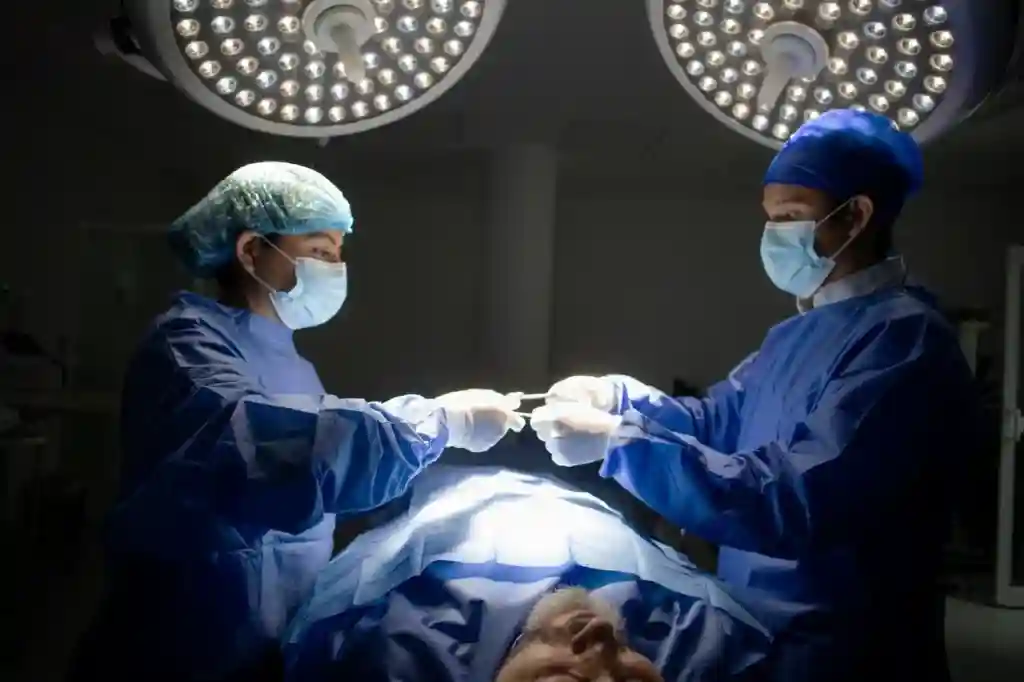
Transforming Lives Through Precision and Care
Reconstructive plastic surgery is an inspiring blend of art and science that transcends traditional aesthetics. It is dedicated to restoring both form and function, helping individuals regain mobility, confidence, and a renewed quality of life. This specialized field tackles challenges ranging from congenital conditions and trauma to the aftereffects of disease, ensuring that each patient receives a tailored approach that meets their unique needs.
In this section, you’ll explore:
- Innovative techniques: Discover how state-of-the-art procedures combine surgical expertise with advanced technology.
- Personalized treatment plans: Learn how customized solutions address both the physical and emotional aspects of recovery.
- Local excellence: Understand how seasoned professionals in regions like New York apply these methods to serve diverse communities.
By delving into the transformative aspects of reconstructive surgery, readers will gain insights into practical surgical options, detailed pre-operative considerations, and post-surgery rehabilitation steps. Whether you’re a prospective patient or a curious researcher, this guide sets the stage with actionable tips and clear explanations to navigate the journey toward restored health and confidence.
Top 5 Transformative Reconstructive Procedures
When exploring the realm of reconstructive surgery, it’s essential to understand the practical options available to address diverse patient needs. Below are five key procedures that have redefined restoration and enhanced quality of life:
- Breast Reconstruction
This procedure helps patients restore symmetry and regain confidence following mastectomy. Advanced techniques combine tissue flaps and implants to achieve natural contours. - Cleft Lip and Palate Repair
Aimed predominantly at pediatric patients, cleft lip and palate repair improves function and appearance by correcting lip and oral structure, thereby enhancing form and function. - Post-Burn Treatment
Burn treatment procedures focus on repairing damaged tissues and minimizing scarring. Modern methods emphasize early intervention, skin grafting, and scar revision, z-plasties and other advanced techniques for improved outcomes. - Facial Reconstruction
Designed for trauma-induced injuries or congenital differences, facial reconstruction integrates microsurgery, craniofacial surgery and soft-tissue repair to restore both appearance and functionality. - Limb Reconstruction
Using sophisticated techniques like distraction osteogenesis, limb reconstruction provides functional improvements and minimizes pain while addressing bone and soft-tissue deficiencies.
These procedures, increasingly available across urban centers including parts of New York, underscore the evolving landscape of reconstructive surgery, offering hope and enhanced recovery every day.
Navigating the Consultation Journey
When it comes to reconstructive surgery, the consultation phase is as crucial as any other step in the process. This stage offers patients a chance to discuss their personal goals, concerns, and expectations, while surgeons provide clear insights into potential outcomes and recovery timelines. A comprehensive evaluation is performed through a multi-step assessment including:
- In-depth medical history review
- Detailed physical examinations
- Personalized discussions to align surgical plans with patient needs
This tailored approach ensures that every aspect of the patient’s health and aesthetic goals is addressed. During the consultation, specialists use industry-standard terminology and explain every step—from imaging studies and preoperative planning to the integration of non-surgical alternatives in some cases. Geographically relevant keywords that support local search such as nearby clinics and regional care centers are seamlessly incorporated into the conversation. By breaking down complex procedures into accessible, step-by-step guidance, prospective patients gain a deeper understanding of how reconstructive surgery can restore functionality and aesthetic balance. This methodical planning stage sets the foundation for successful treatment and long-term satisfaction.
Innovative Techniques Driving Recovery
Recent breakthroughs in reconstructive surgery are revolutionizing patient care with improved outcomes and faster recovery times. Surgeons now employ state-of-the-art materials and methods that enhance both aesthetic and functional results. These advancements include:
- Advanced biomaterials: New synthetic and hybrid materials mimic natural tissue properties, offering superior integration and durability.
- 3D printing applications: Customized, patient-specific implants and scaffolds enable precise reconstruction, reducing recovery times and improving overall fit.
- Tissue engineering methods: Cutting-edge regenerative techniques promote natural healing by stimulating cellular growth and minimizing scarring.
Local initiatives in various regions, including New York, have spurred the implementation of these innovations, bringing together expertise from biomedical engineering and surgical practice. The integration of technology and medicine not only improves the surgical precision but also empowers patients with safer, more predictable outcomes. By combining practical, evidence-based approaches and hands-on training, professionals can better navigate the evolving landscape of reconstructive surgery. This transformative era provides practitioners with actionable tips and techniques, paving the way for improved health and enhanced quality of life across communities.
What should I expect during my initial consultation?
During your first meeting with a reconstructive surgeon, you’ll discuss your medical history, specific concerns, and desired outcomes. Experts advise bringing any previous imaging or reports to help shape a tailored treatment plan.
How do I determine if I’m a good candidate for surgery?
Surgeons consider factors such as overall health, skin type, and the severity of your condition when recommending reconstructive procedures. A thorough evaluation ensures a realistic approach to achieving both functional and aesthetic improvements.
What steps are involved in preparing for surgery?
Preparation often includes pre-surgical assessments, adjustments to current medications, and setting realistic recovery goals. Detailed pre-operative instructions help mitigate risks during and after the procedure.
How long is the typical recovery period?
Recovery times vary by procedure and individual patient factors, with some experiencing faster recovery for minor procedures and others needing more time for major reconstructive changes.
Are non-surgical options viable?
Yes, many patients explore non-invasive procedures as alternatives or adjuncts to surgery, depending on their unique conditions and desired enhancements.
How can I find local experts?
Look for board-certified reconstructive surgeons in your area, particularly in regions like Upstate NY, who provide personalized care and in-depth consultations tailored to your needs.
Transformative Outcomes and Next Steps
Reconstructive surgery holds the power to not only restore form but also renew confidence for patients seeking a holistic improvement. In this conclusion, we reflect on the transformative aspects presented throughout the guide, underlining how advanced surgical techniques and personalized care collectively contribute to enhanced quality of life. Embracing both the medical science and the artistry behind reconstructive procedures allows individuals to reclaim their inner strength and appearance.
Key takeaways include:
- Understanding the benefits: Grasp how reconstructive surgery can improve both physical function and emotional well-being.
- Evaluating options: Consider the spectrum of surgical and non-surgical methods tailored to unique recovery goals.
- Next steps: Research local facilities in Upstate NY for consultations and further insights into innovative techniques.
For those ready to take action, the path begins with informed discussions and professional evaluations. Whether you’re exploring corrective procedures or seeking to rejuvenate your overall appearance, know that every journey starts with a thoughtful decision. Embrace the possibilities, and move confidently toward a future defined by renewed self-assurance and improved daily living.